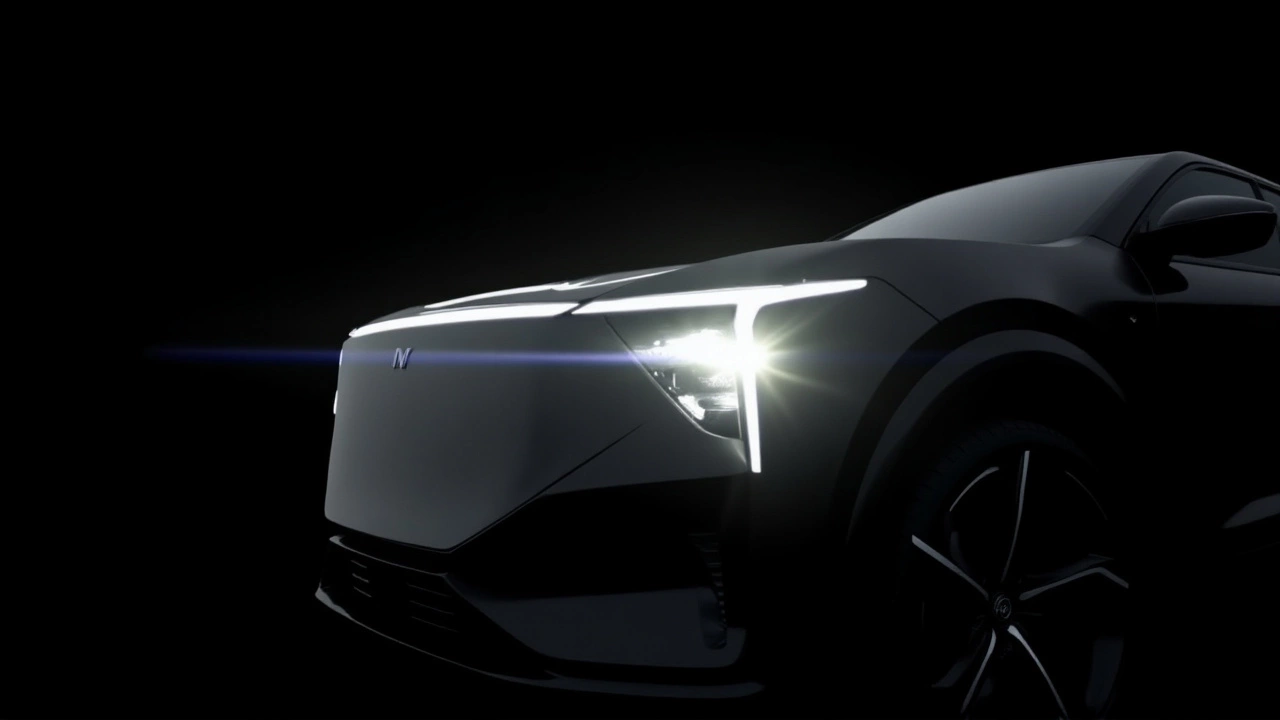
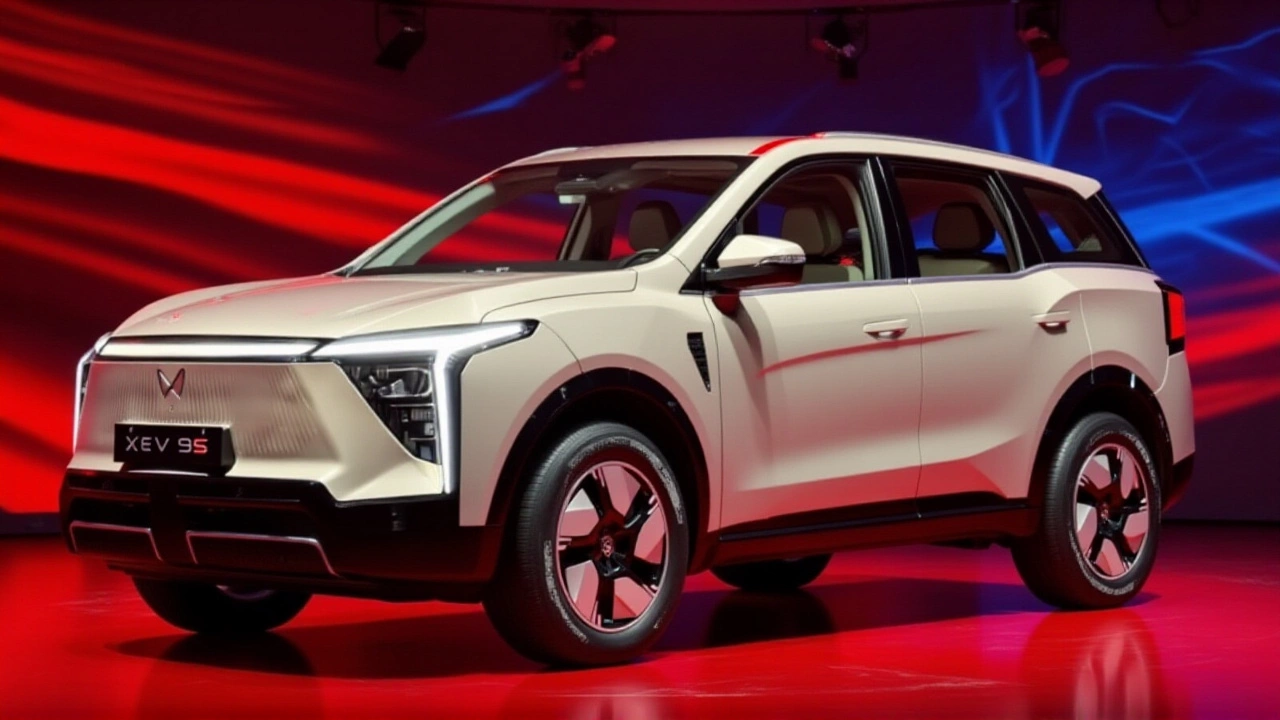
On November 27, 2025, Mahindra & Mahindra Limited rolled out the XEV 9S — India’s first dedicated 7-seater electric SUV — at its 'Scream Electric' event in Mumbai, marking one year since the debut of its Born EV platform. Priced from Rs 19.95 lakh (ex-showroom), the XEV 9S undercuts its predecessor, the XEV 9e, by Rs 1.95 lakh — despite both sharing the same INGLO electric platform. This isn’t just a price cut. It’s a statement. Mahindra’s betting that Indian families won’t just tolerate electric vehicles — they’ll demand them, and they’ll want space, tech, and performance all in one package.
Why the XEV 9S Changes the Game
There’s no other electric SUV in India with three rows of seats, and Mahindra knows it. The XEV 9S doesn’t just slot into a niche — it *defines* it. While rivals like Tata and Hyundai focus on compact EVs or 5-seaters, Mahindra targeted the family that needs room for grandparents, kids, and groceries — all without sacrificing range or charging speed. The entry-level Pack One Above variant offers two battery options: a 59kWh pack and a 79kWh pack, both supporting up to 175kW DC fast charging. That means you can add 200 km of range in under 15 minutes. No other 7-seater in India comes close.
Performance is no afterthought. The 79kWh variant hits 100 kph in just 7 seconds, with a top speed of 202 kph — quicker than many petrol-powered SUVs in this segment. Even the 59kWh version manages 7.7 seconds, which is impressive for a 2.2-tonne vehicle. And here’s the twist: the higher battery isn’t just for range. It’s for power. The same motor, same chassis, but more juice = more punch.
Premium Features You Won’t Find Elsewhere
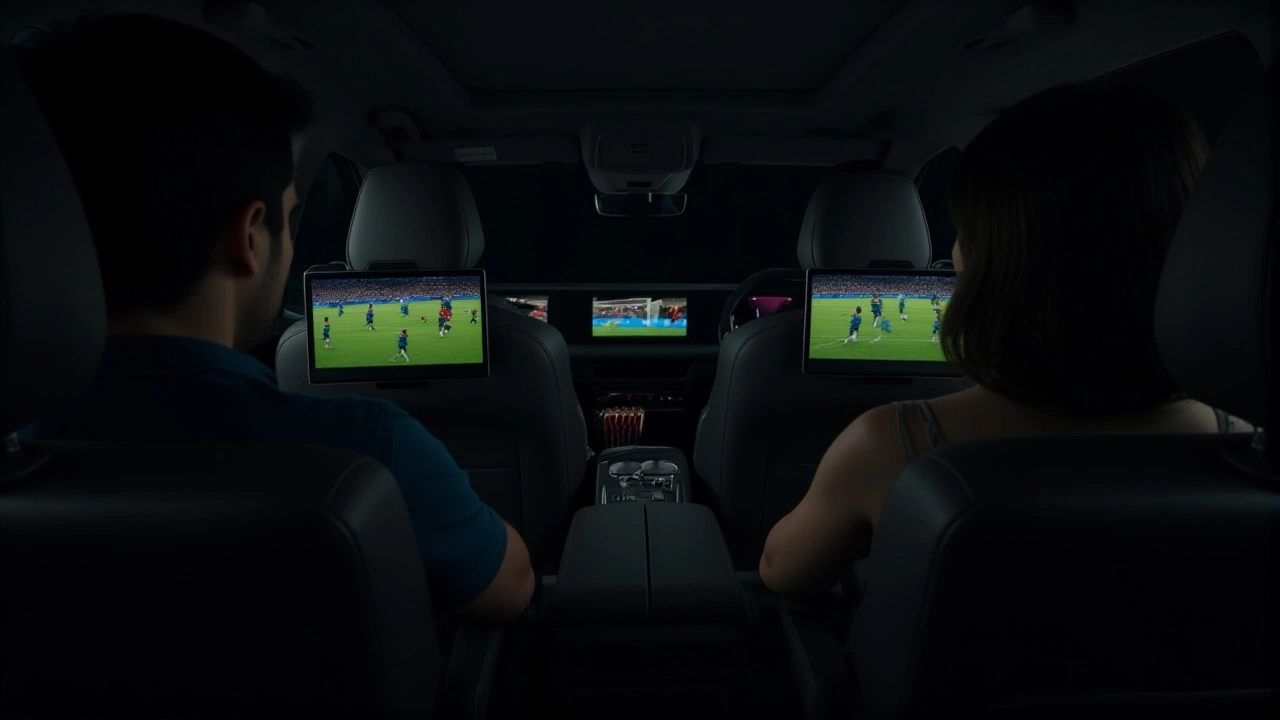
Inside, the XEV 9S feels less like a car and more like a lounge on wheels. Leatherette seats, dual-zone climate control, and multi-colour ambient lighting create a premium feel that rivals German luxury brands. The standout? A Harman Kardon sound system — a first for any mass-market Indian EV. But it’s the safety tech that might win over cautious buyers: full ADAS with adaptive cruise, lane-keeping, and auto parking. Even better: a drowsiness detector that monitors driver fatigue. That’s not a gimmick. It’s a lifesaver on India’s long highway drives.
Charging at home? You’ve got options. A 7.2kW wall box costs Rs 50,000; the 11.2kW version is Rs 75,000. Neither is cheap, but for a family that drives daily, the convenience justifies the cost. Mahindra also confirmed the XEV 9S has a gloss-finish exterior — a subtle but deliberate design cue meant to elevate its visual appeal beyond utilitarian EVs. It’s not just electric. It’s elegant.
Market Timing and the Road Ahead
Bookings open on January 14, 2026 — a strategic delay. Mahindra isn’t rushing. They’re letting demand build. The XEV 9S was previously known in leaks as the XUV700 EV, and industry chatter on forums like Team-BHP shows strong interest. The fact that it’s priced below the XEV 9e — despite offering more space, more tech, and more power — suggests Mahindra is willing to sacrifice margins to dominate this new category. No direct competitors exist yet. Tata’s upcoming EV7 might arrive in 2027. Hyundai’s Ioniq 7 is still a global concept. Mahindra has a 12-to-18-month head start.
Why does this matter? Because India’s EV market has been dominated by two-wheelers and compact cars. The XEV 9S signals a shift: electric mobility isn’t just for urban commuters anymore. It’s for families, for road trips, for multi-generational households. And if Mahindra can make this work, it could spark a wave of similar vehicles from other brands — finally bringing true electric family mobility to the masses.
What’s Missing? And What’s Next
One thing we don’t know yet: the exact range figures. Mahindra hasn’t released ARAI-certified numbers. That’s a red flag for cautious buyers. Will the 79kWh battery deliver 500+ km? Or is it closer to 400? That’ll make or break long-distance appeal. Also, no mention of battery warranty terms — critical for an EV this expensive.
But here’s what’s clear: Mahindra isn’t just selling a car. It’s selling confidence. Confidence that Indian families will embrace electric vehicles if they’re practical, powerful, and premium. The next 12 months will tell us if this gamble pays off. If sales hit 5,000 units by mid-2026, expect every major automaker to scramble for a 7-seater EV of their own.
Frequently Asked Questions
How does the XEV 9S compare to the XEV 9e in terms of space and features?
Despite sharing the INGLO platform, the XEV 9S adds a third row of seats, making it India’s first 7-seater electric SUV. It also includes premium features like Harman Kardon audio, ADAS, auto parking, and a drowsiness detector — none of which are standard on the XEV 9e. The XEV 9S is also priced Rs 1.95 lakh lower, offering more space and tech for less money.
What’s the real-world range likely to be for the 79kWh battery variant?
While Mahindra hasn’t released official ARAI figures, industry estimates based on similar EVs suggest the 79kWh variant could deliver 420–480 km on a full charge under mixed driving conditions. Highway speeds and AC use may reduce that to around 380 km, but fast charging at 175kW means a 15-minute stop can restore 200 km — making long trips feasible.
Why is the XEV 9S priced lower than the XEV 9e despite being more advanced?
Mahindra is using volume strategy. By offering a larger, more capable vehicle at a lower price, they’re aiming to capture the family EV segment before competitors enter. The INGLO platform’s modular design reduces manufacturing costs, allowing Mahindra to absorb some margin to build market leadership — a tactic seen in Tesla’s early Model 3 rollout.
Is the XEV 9S suitable for Indian roads and traffic conditions?
Absolutely. With 195mm ground clearance, adaptive suspension, and robust build quality inherited from the XUV700, the XEV 9S handles potholes and uneven surfaces better than most EVs. Features like auto parking and ADAS are especially useful in India’s chaotic traffic. The drowsiness detector is a smart addition for long highway stretches, which are increasingly common in Indian households.
When will the XEV 9S be available for test drives?
Test drives will begin in early February 2026, shortly after bookings open on January 14. Mahindra plans to roll out demo units across 150 major cities, with priority given to Tier-1 and Tier-2 markets where family-oriented EV demand is highest. Dealerships will also offer virtual reality tours for customers who can’t visit in person.
What’s the expected delivery timeline after booking?
Based on Mahindra’s production capacity and pre-bookings, initial deliveries are expected to begin in April 2026. Customers who book early (first 5,000) may receive their vehicles by March. Delivery times could stretch to 6–8 months for later orders, especially if demand exceeds projections — a sign the market is hungry for this vehicle.

Ethan Callaway
As Ethan Callaway, I am a seasoned professional in the fields of information services and technology. I have dedicated my career to staying ahead of the curve in the tech world, and I am passionate about sharing my knowledge with others. Writing about technology allows me to combine my expertise with my love for the written word, and I am always excited to explore new developments in the field. I believe that the key to a successful future lies in embracing technology and using it to enhance our everyday lives.