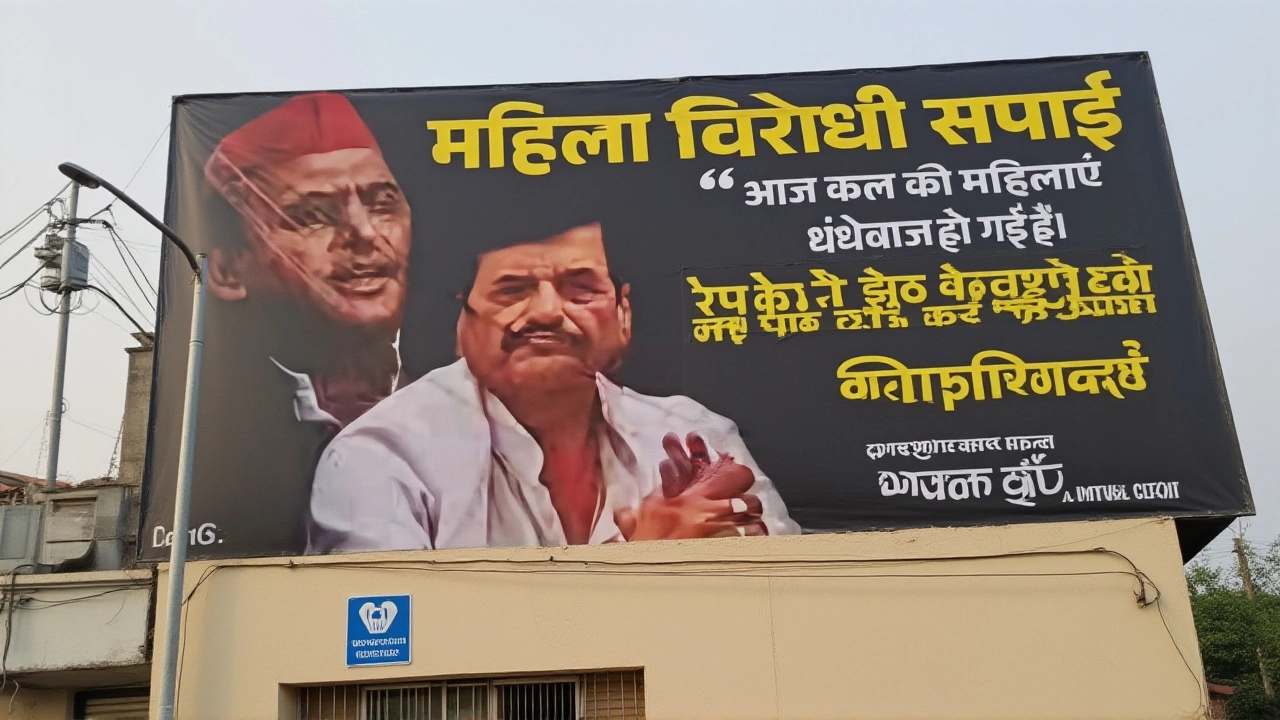
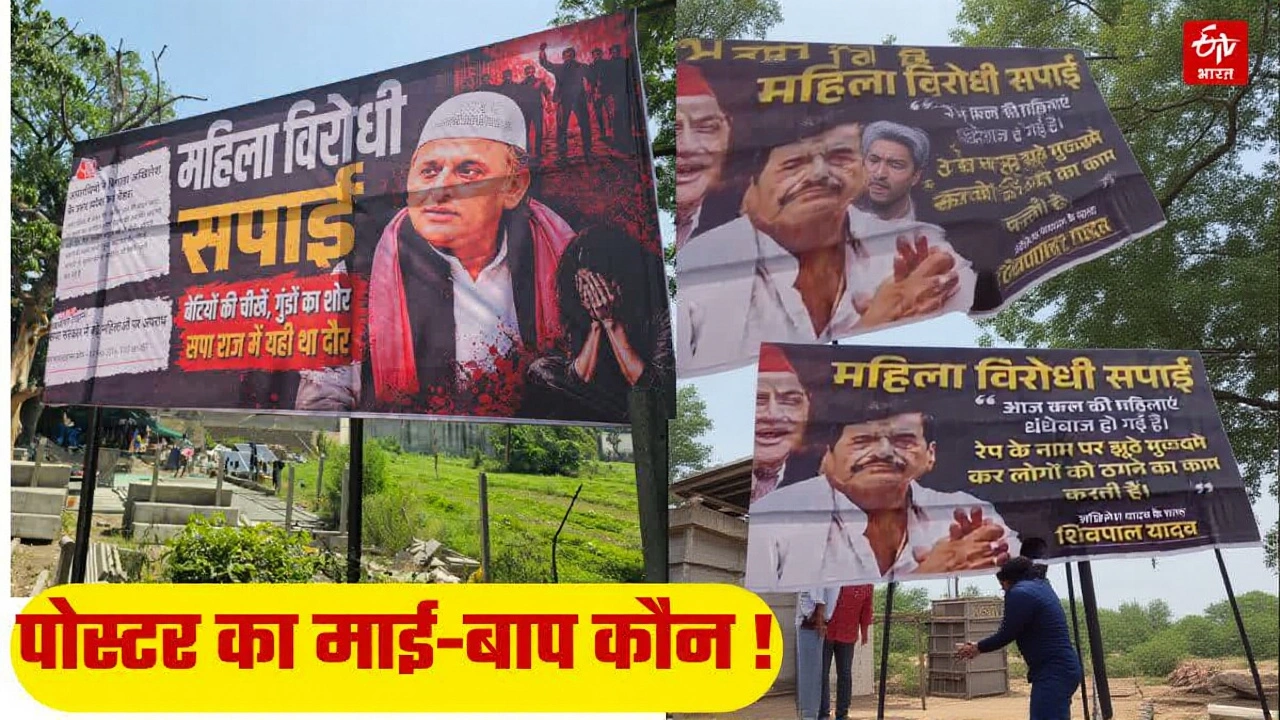
The political temperature in Uttar Pradesh has spiked again. A fierce new "poster war" is targeting the Samajwadi Party (SP), fueled by resurfaced controversies and old statements from senior leader Shivpal Yadav. Opponents are using billboards across the state to label the party as "anti-women," citing a controversial remark made by Yadav back in October 2018.
Here’s the thing: this isn’t just about one comment. It’s a coordinated attack linking Yadav’s words to broader allegations about law and order during the tenure of former Chief Minister Akhilesh Yadav. The campaign specifically references the Badaun gangrape caseBadaun, a tragic incident that occurred under the SP government’s watch.
The Controversial Statement Resurfaces
The core of the current backlash stems from a speech Shivpal Yadav gave at a public event in . At the time, the comments drew sharp criticism but faded from daily headlines. Now, opponents have printed his exact words on large hoardings:
"Women today have become businessmen. They are filing false rape cases to cheat people."
Opponents argue these remarks demonstrate a deep-seated misogyny within the party’s leadership. By quoting him directly, they aim to paint the entire Samajwadi Party as hostile toward women’s safety and rights. The phrase "Anti-Women SP" appears prominently on several posters, turning a specific statement into a broad ideological indictment.
Linking Past Governance to Present Politics
But wait—it’s not just about Yadav’s mouthpiece. The posters connect his words to systemic failures. Critics allege that during the Akhilesh Yadav era, members of the Yadav community were frequently accused of crimes, yet law and order remained weak. One billboard explicitly claims: "There was no protection for daughters of Dalit Shakya families during the Yadav government."
This ties directly into the memory of the Badaun case, where two teenage girls were gang-raped and murdered in 2017. The delay in arrests and initial mishandling of the case became a major political liability for the SP. By bringing this up now, opponents are suggesting that the party’s attitude toward women—exemplified by Yadav’s 2018 comment—is rooted in a governance style that failed vulnerable communities.
A Statewide Visual Assault
The scale of this operation is significant. According to reports from VK News, these provocative hoardings have appeared in at least ten key locations across Uttar Pradesh. The list includes:
- Badaun
- Noida
- Ghaziabad
- Lucknow
- Kanpur
- Hardoi
- Shahjahanpur
- Kannauj
- Unnao
- Kanpur Dehat
This geographic spread suggests a well-funded, organized effort rather than spontaneous local anger. Targeting both urban centers like Noida and Ghaziabad, alongside rural districts like Hardoi and Unnao, indicates an attempt to influence voters across different demographics ahead of upcoming elections.
Why This Matters Now
Turns out, timing is everything in Indian politics. With assembly elections looming, every past misstep becomes ammunition. The Samajwadi Party has been trying to rebuild its image after years in opposition, emphasizing social justice and minority welfare. This poster war strikes directly at those pillars by questioning their commitment to women’s safety—a sensitive issue in Uttar Pradesh following high-profile cases in recent years.
Political analysts note that while Shivpal Yadav is a veteran leader, his personal controversies often overshadow policy discussions. The SP leadership faces a dilemma: defend a loyal lieutenant or distance themselves from his past rhetoric. So far, there hasn’t been a strong public retraction, which opponents are interpreting as tacit agreement with his views.
What’s Next?
We can expect the Samajwadi Party to respond aggressively. Historically, the SP counters such attacks by highlighting the BJP’s record on communal harmony and women’s empowerment laws. However, the visual nature of this campaign makes it harder to ignore. Billboards don’t go away; they sit in plain sight for weeks.
Voters in Uttar Pradesh are increasingly polarized. This poster war tests whether historical grievances (like Badaun) and individual controversies (like Yadav’s speech) can still sway undecided voters. If the SP fails to address these allegations head-on, it risks losing crucial support among Dalit and OBC women voters.
Frequently Asked Questions
What exactly did Shivpal Yadav say in 2018?
In October 2018, Shivpal Yadav stated, "Women today have become businessmen. They are filing false rape cases to cheat people." These comments were made at a public rally and sparked immediate outrage from women’s rights groups and opposition parties, who labeled them misogynistic and dangerous.
Which cities are seeing these anti-SP posters?
The posters have been reported in at least ten locations including Badaun, Noida, Ghaziabad, Lucknow, Kanpur, Hardoi, Shahjahanpur, Kannauj, Unnao, and Kanpur Dehat. This widespread distribution suggests a coordinated statewide campaign.
How does the Badaun case relate to this controversy?
The Badaun gangrape case occurred in 2017 under the Samajwadi Party government. Critics use this tragedy to argue that the party failed to protect women. Posters link Shivpal Yadav’s 2018 comments to this failure, claiming the party’s culture lacks respect for women’s safety.
Who is behind this poster campaign?
While no single group has officially claimed responsibility, the messaging aligns with opposition narratives against the Samajwadi Party. Local units of rival parties or independent political activists are likely orchestrating the placement of these hoardings to influence voter sentiment before elections.
Has the Samajwadi Party responded to these allegations?
As of the latest reports, the Samajwadi Party has not issued a formal apology or retraction regarding Shivpal Yadav’s 2018 statement. This silence is being interpreted by critics as endorsement of his views, intensifying the political pressure on the party leadership.

Ethan Callaway
As Ethan Callaway, I am a seasoned professional in the fields of information services and technology. I have dedicated my career to staying ahead of the curve in the tech world, and I am passionate about sharing my knowledge with others. Writing about technology allows me to combine my expertise with my love for the written word, and I am always excited to explore new developments in the field. I believe that the key to a successful future lies in embracing technology and using it to enhance our everyday lives.